
The Allure of Risk and Reward
The thrill of gambling in a casino is deeply intertwined with the psychology of risk and reward. This attraction stems from the brain’s response to potential rewards, triggering the release of neurotransmitters such as dopamine. When players engage in games of chance, they experience an adrenaline rush, creating a sense of excitement that often leads to further play. Some individuals even seek out the best australian online casino experiences to amplify this psychological high, which can be addictive, drawing players back for more, often against their better judgment.
The design of casinos plays a significant role in enhancing this allure. Bright lights, engaging sounds, and comfortable settings create an immersive experience that keeps players enticed. The strategic layout of slot machines and tables encourages longer play sessions, as players often become disoriented by the environment, losing track of time and money. This sensory overload can dull rational decision-making, further binding them to the gambling experience. For instance, the absence of windows and clocks in many casinos contributes to a timeless atmosphere, which can lead to prolonged gambling sessions and increased spending.
Moreover, the unpredictability of the outcomes in gambling can be seen as a double-edged sword. While the possibility of winning provides motivation, the inherent risk involved can lead individuals to chase losses. This chase often compounds negative feelings, creating a cycle of repeated gambling behavior that can be hard to break. Understanding this psychological pattern is crucial for recognizing why many are drawn to casinos despite the risks involved. The cycle of hope and despair inherent in gambling can also lead to a distorted perception of control, where players believe they have more influence over the outcomes than they actually do.
The Cognitive Biases at Play
Cognitive biases significantly influence gambling behavior, contributing to persistent myths and distorted perceptions about success and luck. One of the most common biases is the “gambler’s fallacy,” where players believe that past outcomes affect future probabilities. For instance, if a dice roll results in a series of low numbers, a player may mistakenly assume that high numbers are due. This fallacy can drive players to take irrational risks, hoping to recoup losses based on erroneous logic. Such cognitive missteps can perpetuate gambling behaviors that are counterproductive and financially damaging.
Confirmation bias also plays a crucial role in how gamblers interpret their wins and losses. Many individuals will remember their wins while disregarding losses, reinforcing their belief in their gambling strategies. This selective memory can lead players to continue gambling, convinced that they possess greater skill or luck than they actually do. These cognitive biases can create a false sense of confidence, further contributing to the cycle of gambling behavior. Players may become increasingly invested in their strategies, pouring more time and money into games while ignoring the statistical realities that govern their chances of winning.
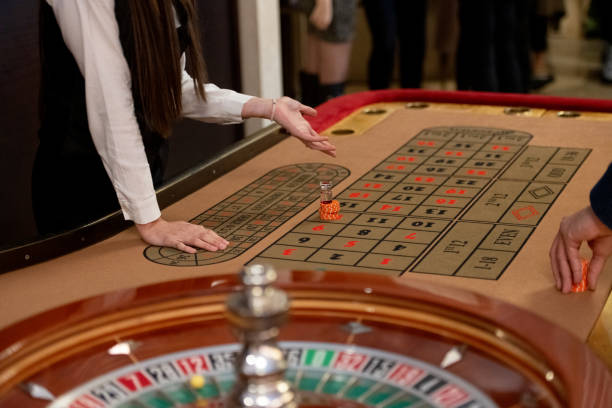
Overall, understanding cognitive biases helps elucidate why players often make decisions counter to their best interests. By recognizing these psychological traps, individuals can become more aware of their gambling habits, potentially reducing the likelihood of developing problematic behaviors. Addressing cognitive biases is essential not just for gamblers but also for industry professionals seeking to promote responsible gaming practices. Education on these biases can empower players to make more informed choices and foster a healthier relationship with gambling.
The Role of Emotions in Gambling
Emotions significantly influence gambling behavior, impacting decision-making processes and overall enjoyment of the experience. Many gamblers engage in risk-taking as a means of escaping negative feelings or seeking excitement during periods of boredom. In this context, gambling can be seen as a coping mechanism, providing temporary relief from stress or anxiety. However, this emotional connection can lead to a detrimental cycle, where individuals gamble more as a form of emotional regulation. The thrill of gambling can provide a temporary high, but when the inevitable losses occur, it can lead to deeper emotional distress.
The excitement of winning can evoke euphoric feelings, encouraging players to pursue these highs repeatedly. Conversely, losses can produce feelings of frustration and sadness, often leading to further gambling in an attempt to recover lost money. This emotional rollercoaster significantly affects an individual’s gambling habits and can contribute to the development of gambling addiction over time. Recognizing the emotional drivers behind gambling behaviors is essential for both players and professionals working in the industry. This emotional engagement can blur the lines between recreational gambling and problematic gambling.
Moreover, the casino environment is designed to amplify emotional responses. The use of celebratory sounds for wins and the visually stimulating aspects of games create an atmosphere that encourages players to keep gambling. These emotional triggers can reinforce a player’s desire to engage in gambling activities despite the inherent risks. Understanding this emotional psychology is crucial for developing strategies that promote more responsible gambling practices. By fostering awareness of emotional influences, both players and operators can work towards creating a more balanced approach to gaming.
The Influence of Social Factors
Social dynamics play a substantial role in shaping gambling behavior, influencing individuals to engage in gaming as part of communal experiences. Many casinos foster an environment where social interaction enhances the gambling experience. Players may gravitate toward games that allow group participation, such as poker or table games, where camaraderie adds a layer of enjoyment that solitary gambling cannot replicate. This social aspect can increase time spent at casinos, leading to higher expenditures. The shared excitement of winning can forge stronger bonds between players, creating a community around gambling.

Peer influence is significant in the context of gambling, especially among younger demographics. Friends and family can motivate individuals to gamble, normalizing the behavior and increasing its appeal. Social gatherings centered around gambling can create a sense of belonging, which may overshadow the potential risks associated with gaming. This phenomenon is often heightened during special events or celebrations, where gambling becomes intertwined with socializing and entertainment. The desire to fit in can lead individuals to gamble beyond their means, driven by social pressures rather than personal choice.
On the flip side, social pressures can lead to more significant gambling issues. Individuals may feel compelled to maintain their gambling habits to fit in or uphold relationships, even when it conflicts with their values or financial stability. Understanding the social factors influencing gambling behavior is crucial for promoting responsible gambling practices and creating supportive environments for those at risk of developing problematic gambling habits. By fostering open discussions about gambling within social circles, individuals can better navigate the complexities of their behaviors and seek help when necessary.
Understanding Responsible Gambling and Resources
Responsible gambling is a critical aspect of the gaming industry, aiming to ensure that players can enjoy gaming in a safe and balanced manner. Many casinos are implementing responsible gambling initiatives that educate players about risks and encourage them to set limits on their play. These programs often include self-exclusion options, accessibility to support services, and tools that help individuals track their gambling habits. By raising awareness, casinos can foster a healthier gaming culture. Such initiatives can empower players to recognize when their gambling behavior may be straying into harmful territory.
Resources are available for individuals struggling with gambling-related issues, ranging from hotlines to support groups. Organizations dedicated to promoting responsible gambling provide education on the psychological aspects of gambling, helping individuals recognize the symptoms of problem gambling. Furthermore, there are numerous online platforms that offer valuable insights and support resources, helping individuals understand their behaviors and make informed decisions about their gambling activities. This access to information is vital in fostering an environment where players feel safe seeking help.
Creating an environment of understanding and support is essential for those who seek help in addressing their gambling habits. As the gaming industry continues to evolve, it is vital that operators prioritize the mental health and well-being of their patrons. By fostering a culture of responsible gambling, both players and the industry can work together to create a more positive and sustainable gaming experience. Promoting responsible gambling practices not only protects individuals but also contributes to the overall integrity of the gaming industry.